
Why Glenshire Homes Get Rodents
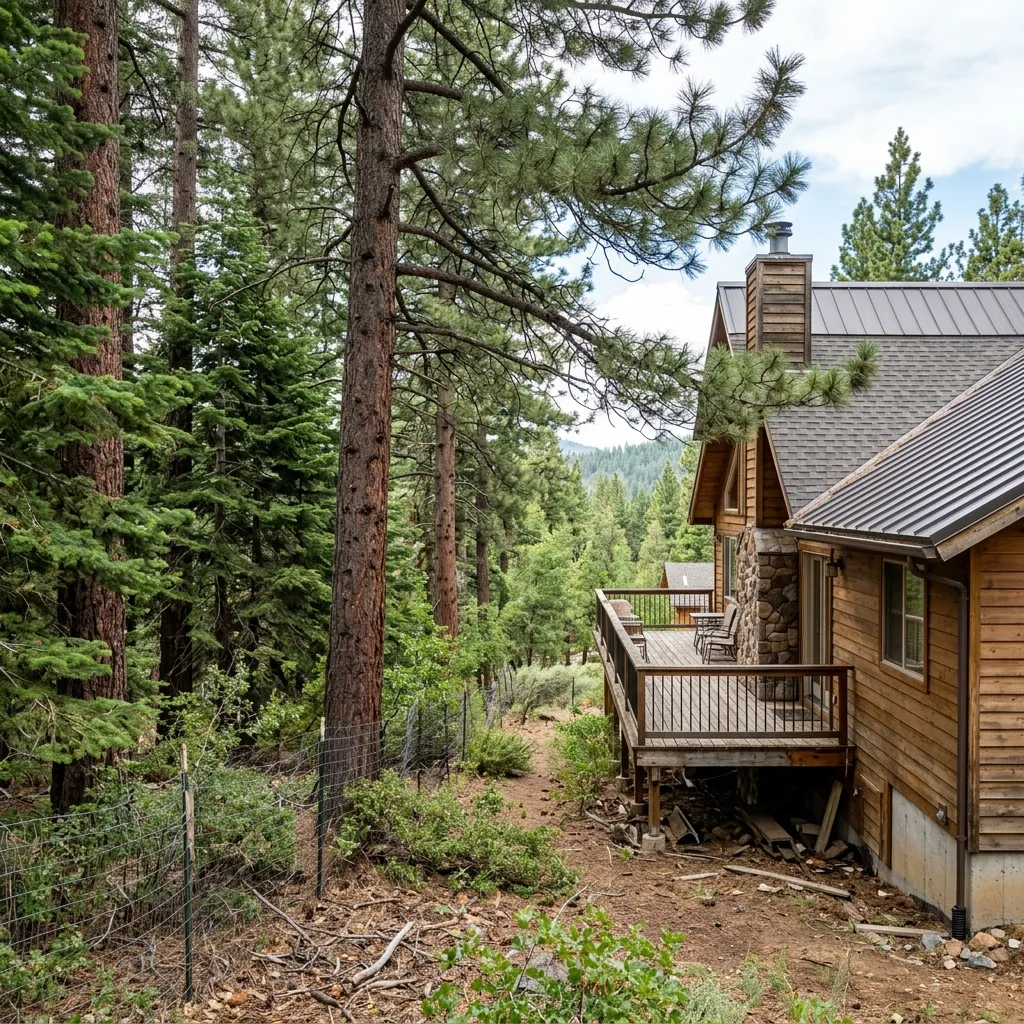
Your house backs up to open pine forest, and that's the main reason. Rodents don't have to cross a road or a parking lot to reach you, they just walk out of the trees. Even homes right along Glenshire Drive, the main road through the neighborhood, aren't far from that tree line. Locals call Glenshire the Banana Belt since it gets less snow than the rest of Truckee, but less snow doesn't mean fewer rodents, it just changes how they behave. With less deep snow to slow them down, mice and rats can move around outside for more of the year before they ever try to get inside.
Where Rodents Get Into Glenshire Homes
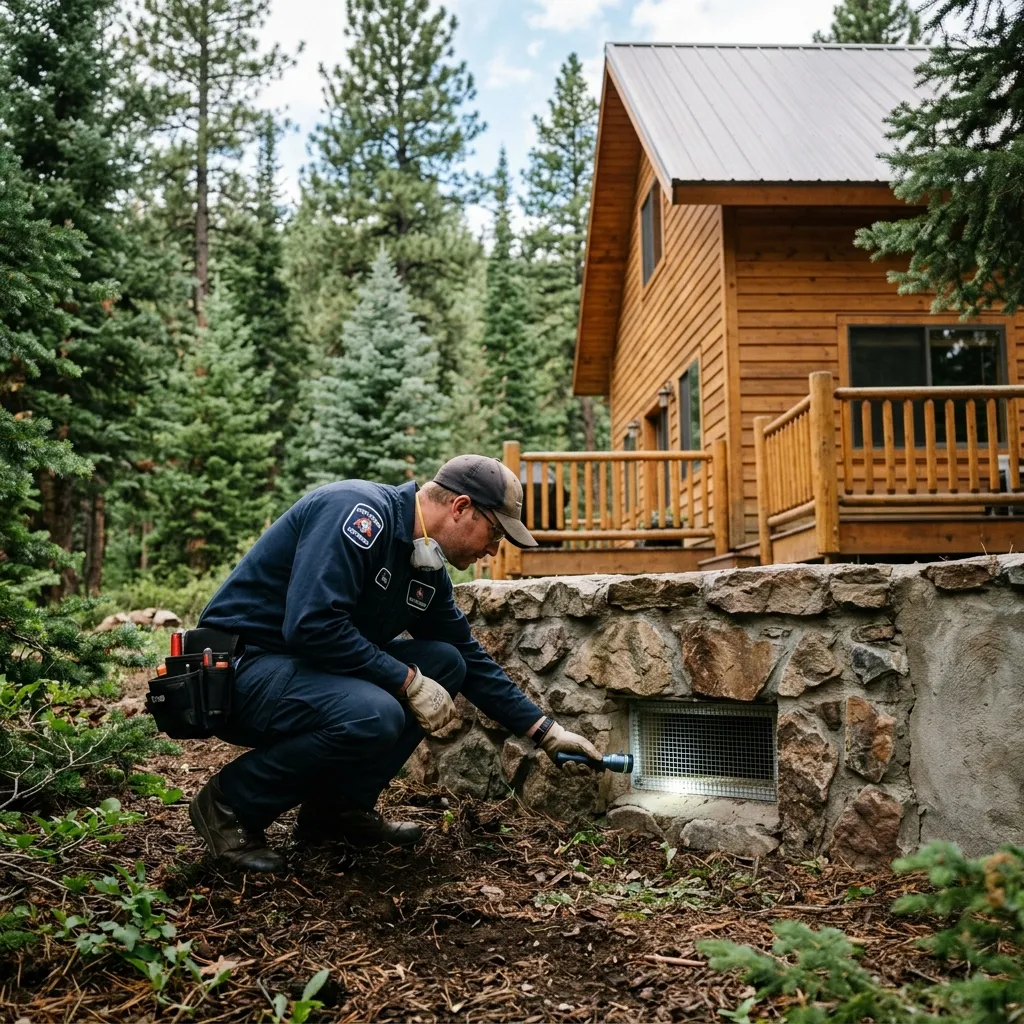
Once a rodent decides to come inside, it looks for the easiest opening, not the biggest one. A tree branch touching the roofline gives a roof rat or a deer mouse a straight path onto the house without ever touching the ground. Lower down, a garage door that doesn't seal tight at the bottom is an easy walk-in for a house mouse, especially if there's food stored nearby. A foundation vent with a torn or rusted screen is another common spot, since it's low, dark, and rarely checked.
Do Tree Branches Near My Roof Really Attract Rodents?
Yes. A branch touching or hanging close to a roofline gives a rodent a way onto the house without crossing open ground, which is safer for it than climbing up a wall. Keeping branches trimmed back a few feet from the roof removes that path.
Deer Mice and House Mice in Glenshire
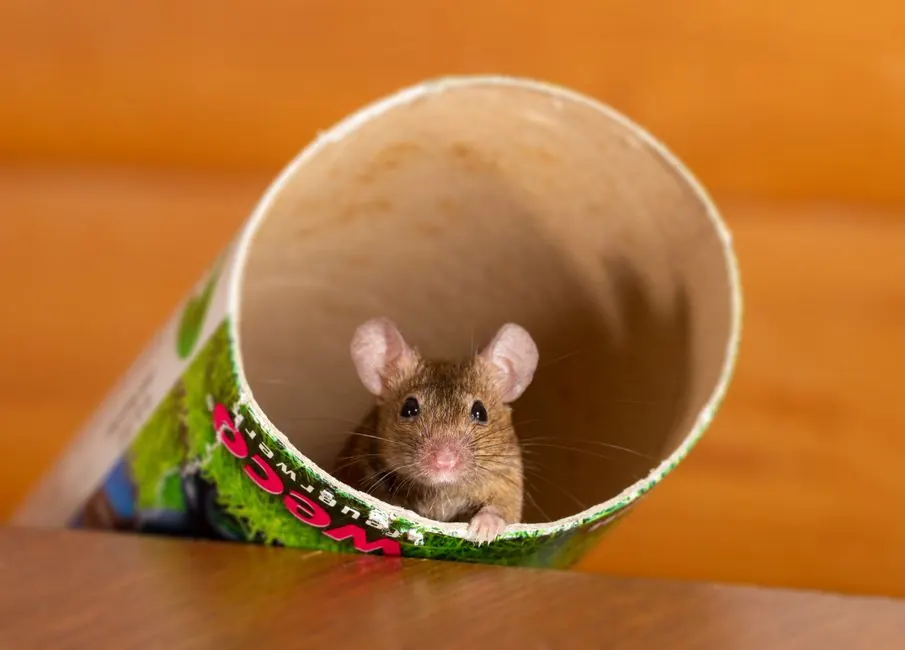
Not every mouse in Glenshire is the same kind, and it matters which one you have. A deer mouse comes from the forest itself, drawn in by the same trees and brush that back up to most homes here, and it carries a higher risk of hantavirus, so any mess it leaves behind should be cleaned up carefully. A house mouse is less picky about where it lives and stays close to whatever food source it finds, often a kitchen or a pantry, rather than the woods.
Why Are There More Deer Mice Near the Forest Edge?
Deer mice live in brush, woodpiles, and open land, so a home built right against that kind of terrain is closer to their natural territory than a house a few streets away. That short distance is often all it takes for one to end up inside.
Why a Trap Alone Won't Keep Rodents Out of Your Glenshire Home
A trap only deals with the mouse or rat that's already inside. It does nothing about the branch touching the roof, the gap under the garage door, or the torn vent screen that let it in. With open forest right behind the house, another one can use that same path within days. Closing off that entry point is what actually stops the problem, not just the trap that caught the first one.
Keeping Kids and Pets Safe in Glenshire
If you have kids or pets at home, it matters what kind of bait or traps we use to get rid of the rodents. We skip poison bait in most homes, since a rodent can drag it somewhere a curious dog or a toddler can reach, and a rodent that dies inside a wall from poison causes a smell that takes weeks to clear. Trapping and sealing the entry point gets rid of the rodent without that risk.
Signs of a Rodent Problem in Glenshire
- Scratching in the attic or walls, usually worse at night
- Droppings near the garage, pantry, or along a baseboard
- Chewed wood, wiring, or stored boxes, especially near where a tree branch touches the house
- A gnawed hole in a garage door seal or a torn vent screen
- A smell that gets stronger in a closed space like a closet or crawl space
We see this most often in homes near the tree line, from Cambridge Estates out toward the greenbelt bordering Juniper Hills.
Frequently Asked Questions
Frequently asked questions about rodent control for forest-edge homes and full-time residents in Glenshire.
How Much Does It Cost to Get Rid of Rodents?
How Long Does It Take to Get Rid of Rats and Mice?
Does Living Near Open Land or Forest Mean I'll Always Have Rodents?
Can You Handle an Inspection If I'm Not Home?
Does a Big Storm Mean I Need a Checkup Even If I Was Already Treated?
Schedule Rodent Control in Glenshire
A quick conversation tells you exactly what's going on in your house and what it takes to fix it, before the problem gets any bigger.